

Specialized Therapy for Oral Dysfunction and Restrictions
A release is only one piece of the puzzle.
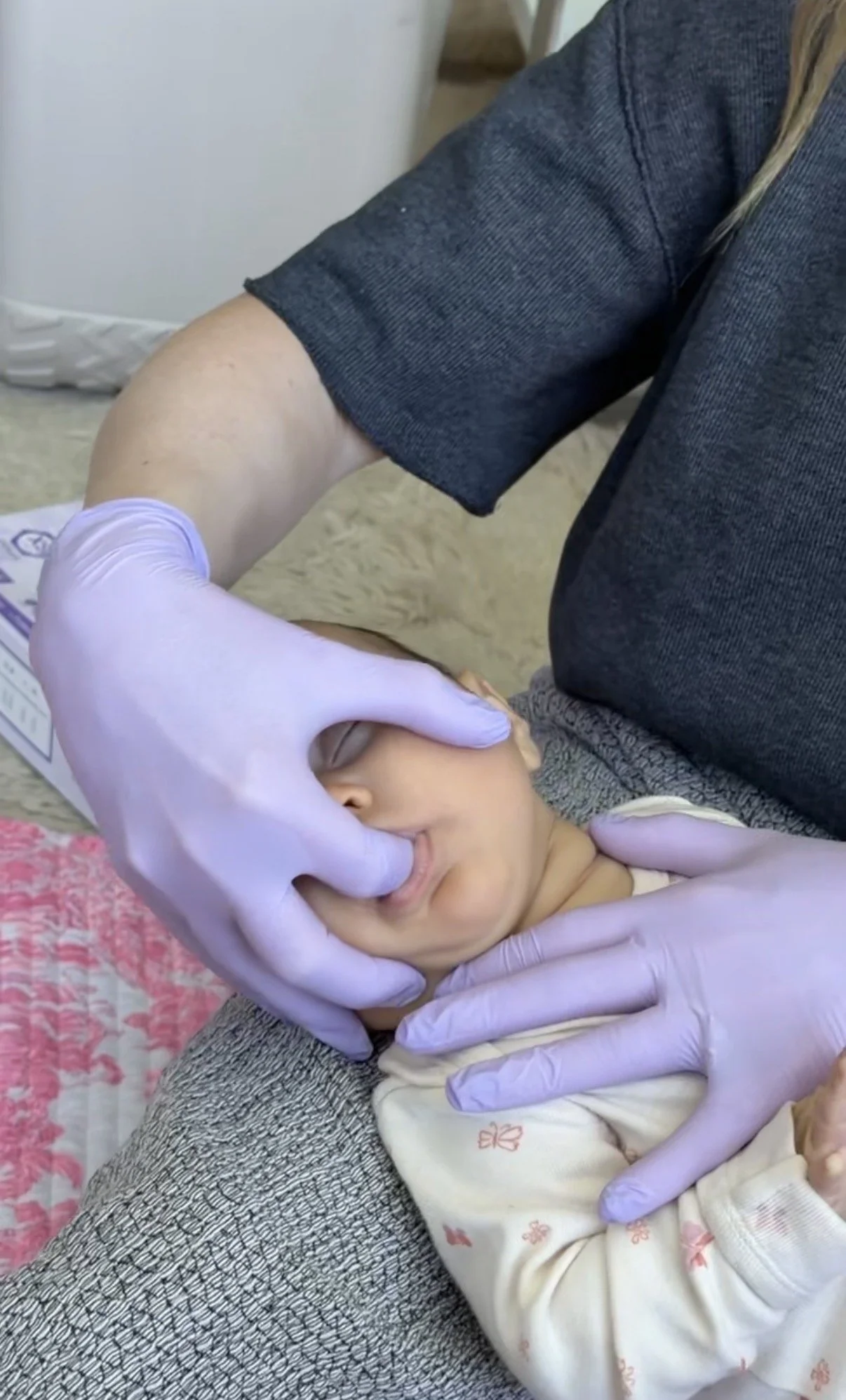
At Little Roots OT, we prepare the entire body—not just the mouth. By improving strength, mobility, coordination, and nervous system regulation, babies become more comfortable in their bodies and can move and feed with more ease.
Pre-release therapy helps babies function better and helps optimize movement and feeding patterns before a procedure. The timing of a tongue tie release matters.
Post-release therapy helps babies learn to use their new range of motion and build the feeding skills needed for long-term success.
Specializing in infant feeding, neurodevelopment, and whole-body oral function, Little Roots OT provides expert care during your baby’s most important developmental window.
Early support can give your baby the best start.
Frequently Asked Questions
Still have questions? Take a look at the FAQ or reach out anytime. If you’re feeling ready, contact to book or request a free consultation.
-
Common signs that would benefit from a functional evaluation:
Difficulty latching or inability to latch
Sliding off the nipple during feeds
Fatigue or sleepy feeds
Poor weight gain
Clicking sounds during feeding
Nipple pain or damage
Increased maternal nipple or breast infections and compromised milk supply
Gastrointestinal issues such as gas, reflux, or irregular bowel movements
Aerophagia (air swallowing)
Other feeding-related challenges
Postural asymmetries (torticollis/head shape concerns)
It is important to note that not all feeding challenges are caused by tongue tie, and tongue tie may coexist with other underlying factors. This is why a collaborative approach and pre-frenectomy therapy are beneficial if you suspect a tongue, lip or cheek restriction.
-
Every baby is different, but a typical flow often looks like this:
Comprehensive evaluation of your baby’s feeding, oral function, body movement, and nervous system regulation.
Therapy sessions to improve mobility, coordination, and feeding efficiency.
Collaboration with your care team (IBCLC, pediatric dentist, pediatrician, etc.) if a restriction may be impacting function.
Pre-release preparation to optimize the body and feeding patterns.
Post-release therapy to help your baby learn to use their new range of motion and integrate improved function.
-
Babies with oral ties often develop compensatory patterns in both the mouth and the body. These habits don’t automatically disappear after a release. They require neuromuscular retraining and new movement patterns that support greater range of motion and improved function.
Feeding is a whole-body activity. Babies need to move well to feed well. Therapy focuses on movement, with babies actively involved and engaged in the process (yes—even newborns!).
Sessions support tongue function, posture, whole-body coordination, and nervous system regulation, helping babies build the motor patterns needed for more effective feeding and movement.
Preparation matters.
-
Yes. Infant feeding is best supported through collaborative care.
We regularly collaborate with:
IBCLCs
Release Providers
Bodyworkers (CST, chiropractic, etc.)
Pediatricians
Other therapy providers
With your permission, we communicate with your care team to ensure everyone is working toward the same goals for your baby.
-
I am a licensed pediatric occupational therapist with advanced training in infant feeding, neurodevelopment, and whole-body approaches to oral function. My work focuses specifically on supporting babies during their first year of life, with an emphasis on feeding, sensory processing, and early motor development.
I have completed specialized training in Upledger Craniosacral Therapy (CST1) and Total Motion Release which support gentle hands-on techniques to improve mobility and nervous system regulation as a foundation for therapeutic functional gains.
In addition to manual therapy training, I have completed extensive continuing education in:
Infant feeding
Oral motor development and function
Tethered oral tissues (tongue and lip ties)
Torticollis or head turning preferences
Head shape and addressing plagiocephaly without a helmet
Reflex integration and early motor development
Sensory processing and nervous system regulation in infants
I have studied with leading experts in the field of tethered oral tissues and infant feeding, with a particular focus on understanding the optimal timing of tongue and lip tie releases and how to best prepare the baby and family for improved outcomes.
My approach combines oral-facial assessment with a whole-body evaluation, looking at posture, reflexes, movement patterns, breathing, and regulation to understand how the body and mouth work together during feeding.
Because my practice focuses specifically on infants and young babies, families can feel confident that their child is receiving specialized, developmentally informed care during this critical window of growth.
-
Early therapy can help when babies are experiencing:
Painful breastfeeding
Difficulty transferring milk
Clicking or leaking during feeds
Reflux or discomfort
Bottle refusal
Tension or head turning preference
Slow weight gain
Early support helps protect feeding, reduce stress for families, and support your baby’s development.
-
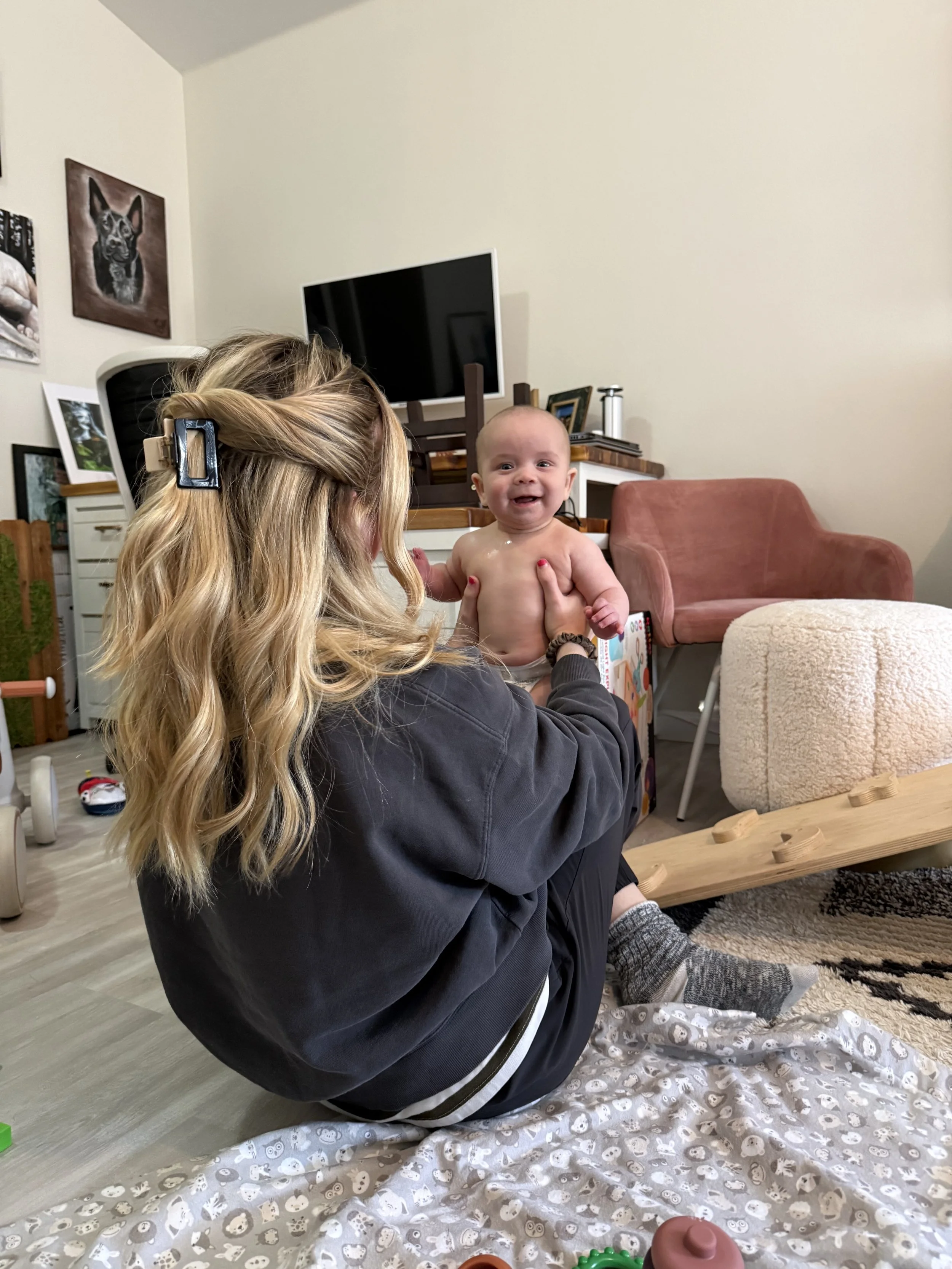
Yes. Little Roots OT provides in-home sessions, allowing therapy to take place in your baby’s natural environment.
Our specialized services support:
Tongue Ties (ankyloglossia)
Head Shape Concerns
Torticollis
Motor milestones
Developmental delays
Infant Feeding
Introducing Solid Foods
Bottle Feeding
Bottle Refusal
Sensory processing differences
Developmental wellness consultations
Play space design
Virtual TummyTime! Method 1:1 Sessions